


 News
News
January 9, 2026
Visit Solicitor & Legal Professional Services

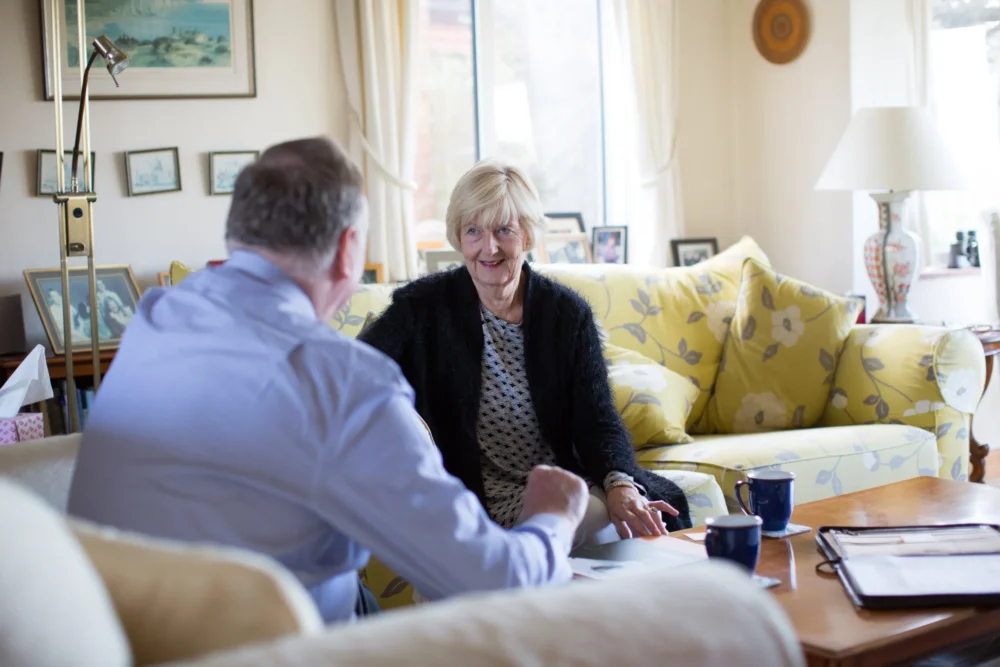
Discover how we identify heirs and next of kin, including distant or unknown relatives.
Find out more


See how we support legal professionals with expert heir tracing and estate solutions. Download the brochure to learn more.
Find out more

Find out how we help councils and public bodies trace next of kin and manage estates. View the brochure for full details.
Find out more


 News
News
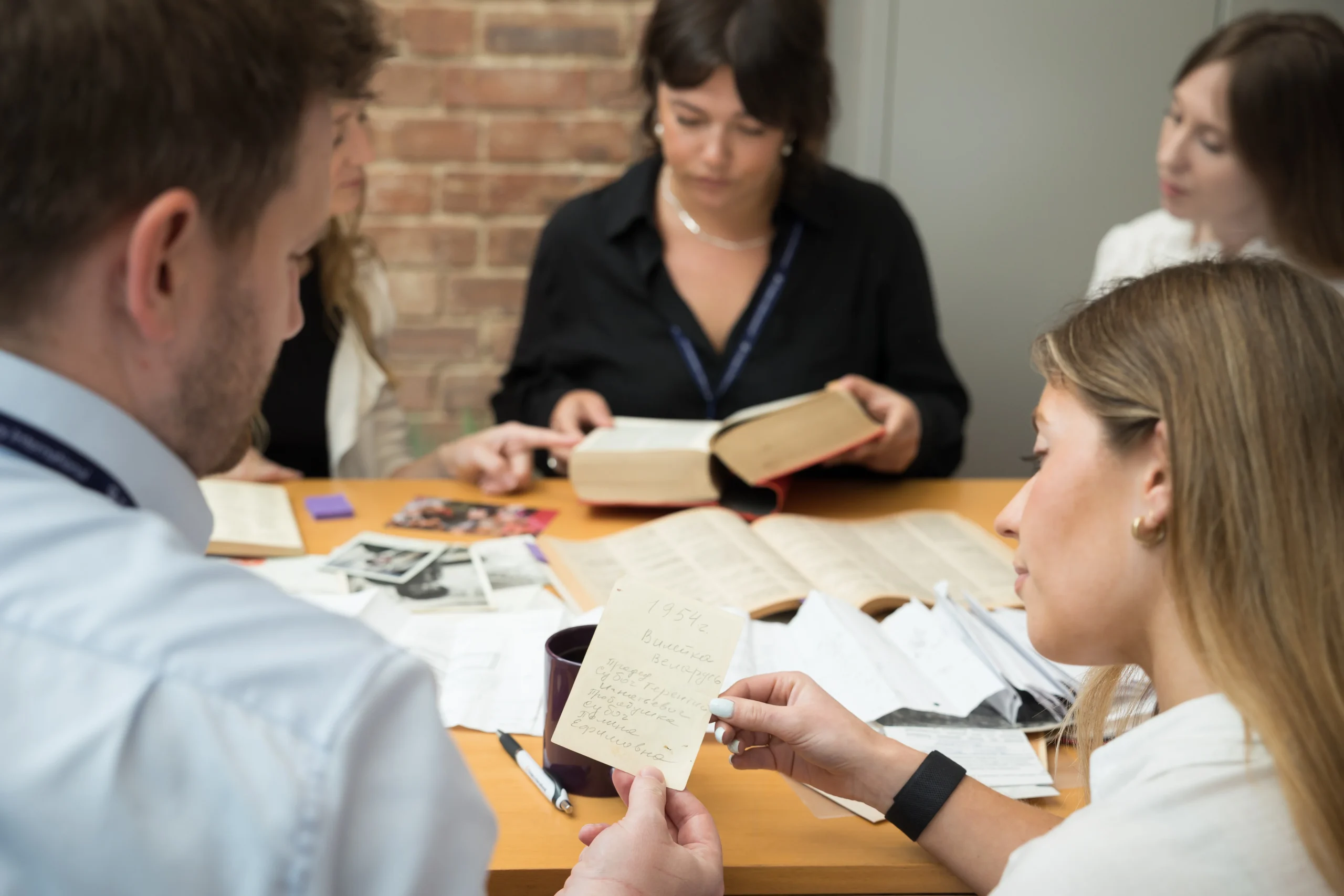
Families are increasingly dispersed, records span multiple jurisdictions, and historical documentation can be fragmented or inconsistent.
When a person passes away without a valid will, or when the beneficiaries named in a will cannot easily be traced, the responsibility of identifying rightful heirs falls to probate professionals. Yet this process is rarely simple
In Ireland, where migration, name variations, and complex family structures are common, reconstructing an accurate family tree is both a skill and a science. It demands a meticulous approach grounded in documentary evidence, genealogical methodology, and an understanding of probate law.
A probate family tree provides a clear, structured view of the deceased’s relatives, mapping out who may have a legal claim to the estate. Under the Succession Act 1965, the intestacy rules outline the order in which relatives inherit. However, to apply these rules correctly, the full extent of the family must first be known.
This is particularly crucial when:
In these cases, the family tree becomes the foundation for lawful distribution—ensuring the estate goes to the correct beneficiaries and reducing the risk of later disputes.
Ireland has one of the largest diasporas in the world. Family members may have emigrated several generations ago, meaning heirs can be located in the UK, the US, Australia, New Zealand, or further afield. Tracking their descendants requires cross-border research and access to international archives.
Civil registration in Ireland only began in 1864 for births, marriages, and deaths, and earlier church records vary in quality and survival. Handwritten entries, spelling variations, and missing records can complicate the process significantly.
Irish surnames frequently appear in multiple forms. For example, McCarthy/MacCarthy, O’Connor/O’Conor, or variations arising from Anglicisation. Women may be recorded under maiden, married, or occasionally both names – making verification essential.
Second marriages, informal partnerships, and historical adoptions can affect lines of inheritance. In probate situations, assumptions cannot be made – each connection must be evidenced.
Researchers must navigate GDPR when handling information about living individuals, manage restricted access to recent records, and verify identities while complying with privacy regulations.
In probate, accuracy is non-negotiable. A single incorrect assumption, such as misidentifying a sibling or overlooking a surviving branch of the family, can result in improper distribution of the estate, reputational risk, and potential legal challenges.
Best practice probate genealogy involves:
The goal is not simply to identify heirs but to confirm their entitlement with confidence supported by evidence.
For solicitors and administrators, reconstructing a family tree can be time-consuming – particularly in estates with limited background information. Professional probate genealogists bring a level of expertise, global reach, and specialist access to records that greatly accelerates the process.
Experts can:
This specialist approach ensures due diligence, transparency, and compliance with Irish probate law.
At Finders International Ireland, we support probate professionals with end-to-end family tree research, missing heir tracing, and document verification. Our team works across Ireland, the UK, and worldwide to ensure beneficiaries are correctly identified and located, giving solicitors and administrators the confidence to progress estates efficiently and responsibly.
We provide:
If you need assistance with a complex probate case or would like to verify an existing family tree, our team is here to help.
Looks like you’re on the Ireland site, choose another location to see content for you.